
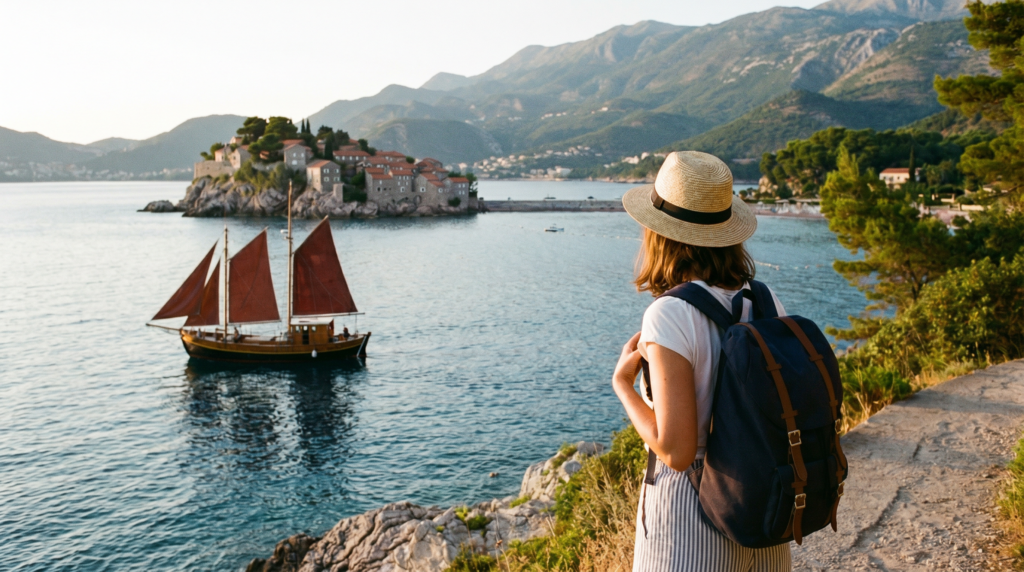

Getting Started With Travel: Your First Steps
Taking your first trip can feel overwhelming, but with the right preparation and mindset, you’ll be ready for an amazing adventure. This guide walks you through every step of planning and executing your first travel experience.
Whether you’re traveling to a nearby destination or across the world, the principles of good travel planning remain the same. This guide provides practical steps for beginners to feel confident and prepared.
From choosing your destination to returning home, you’ll learn how to make your first travel experience memorable and enjoyable.
Step 1: Choose Your First Destination
1. What Kind of First Trip Makes Sense?
Your first trip should match your comfort level and interests. Consider starting with places that feel manageable before attempting more challenging destinations.
- How far are you comfortable traveling?
- Do you want a short trip or longer vacation?
- Are you interested in cities, beaches, mountains, or countryside?
- Do you prefer structured tours or independent exploration?
- What time of year works best for you?
- Who are you traveling with—alone, partner, or group?
2. Researching Your First Destination
Good research makes first-time travel much easier and more enjoyable.
What beginners should research:
- Weather and climate during your travel dates
- Basic information about the city or region
- Major attractions and things to do
- Transportation options (airports, trains, buses)
- Accommodation options and where to stay
- Local customs and cultural information
- Language spoken and basic phrases
- Visa or travel document requirements
- What other travelers say about the destination
- Neighborhoods that are safe and good for visitors
3. Ideal First Travel Destinations
Good first-trip destinations for beginners:
- Cities with excellent public transportation
- Popular tourist destinations with lots of visitor information
- Places with English-speaking locals or services
- Countries with good infrastructure and safety records
- Destinations close to major airports
- Places with established tourist routes and guides
- Regions with multiple accommodation options
- Destinations other beginners have visited and reviewed
Step 2: Plan and Book Your Trip
4. When Should You Book?
Timing your bookings correctly can help ensure you get good accommodations and flights.
Booking timeline for beginners:
- Start planning 2-3 months before your trip
- Book flights 6-8 weeks in advance
- Reserve accommodation 4-6 weeks ahead
- Research activities and make reservations as needed
- Give yourself time to prepare documents and pack
- Avoid last-minute bookings when possible
5. How to Book Flights for Beginners
- Decide your departure date and duration
- Identify nearby airports in your area
- Use flight comparison websites to see options
- Compare prices across different airlines
- Check baggage allowances before booking
- Read reviews of airlines you’re considering
- Understand cancellation policies
- Book directly with airlines when possible
- Save confirmation emails and details
- Set a reminder for check-in times
6. Booking Your First Accommodation
Accommodation options for beginners:
- Hotels—traditional, reliable, but more expensive
- Hostels—budget-friendly, social, great for meeting people
- Airbnb—home-like, varied prices and locations
- Guesthouses—personal touch, local recommendations
- Bed and breakfasts—home-cooked breakfasts, local feel
What to check when booking accommodation:
- Location relative to attractions and public transport
- Recent reviews from other travelers
- Photos that match the description
- What’s included (breakfast, WiFi, towels, etc.)
- Cancellation policy
- Check-in and check-out times
- Host responsiveness to messages
- Safety and security features
Step 3: Prepare Your Documents
7. Essential Travel Documents for Beginners
- Valid passport (check expiration date)
- Driver’s license or government ID
- Flight confirmations and itineraries
- Accommodation reservations
- Travel insurance documentation (if applicable)
- Visa (if required for your destination)
- Vaccination certificates (if required)
8. Preparing for Your First Airport Experience
What to expect at the airport:
- Arrive 2-3 hours early for international flights
- Arrive 1-2 hours early for domestic flights
- Check in your bags at the airline counter
- Go through security screening
- Find your departure gate
- Wait in the departure area until boarding
- Board the plane when called
- Find your seat and stow luggage
Step 4: Pack Smart for Your First Trip
9. What to Pack as a Beginner Traveler
Overpacking is one of the most common mistakes new travelers make. Pack lighter than you think you’ll need.
- Passport and copies of documents
- Comfortable walking shoes (broken in before trip)
- Underwear and socks (5-7 days worth)
- Pants/skirts (2-3 pairs)
- T-shirts and casual tops (4-5)
- One sweater or jacket
- Rain jacket or poncho
- One dressier outfit
- Pajamas
- Toiletries and medications
- Phone and charger
- Power bank
- Universal adapter
- Headphones
10. Packing Tips for Beginners
How to pack efficiently:
- Choose one color scheme for clothing
- Plan outfits that mix and match
- Wear your bulkiest items on the plane
- Roll clothes instead of folding
- Use packing cubes to organize items
- Wear shoes on the plane to save space
- Leave room for souvenirs
- Don’t pack things you won’t actually use
- Keep valuables in your carry-on
- Check baggage allowances before packing
Step 5: Navigate Your Destination
11. Getting Around on Your First Trip
Transportation in a new place might feel intimidating, but most cities have clear systems.
Common transportation in cities:
- Metro/subway—fast and efficient
- Buses—affordable and extensive coverage
- Taxis—convenient but more expensive
- Ride-sharing apps—familiar to most travelers
- Walking—great for exploring neighborhoods
- Trains—for day trips and regional travel
12. Your First Day in a New City
What to do on your first day:
- Rest and recover from travel
- Get oriented with your neighborhood
- Find nearby restaurants and cafes
- Locate public restrooms and pharmacies
- Test the local transportation system
- Buy a local SIM card or activate roaming
- Visit a major landmark or viewpoint
- Don’t overdo activities—ease into your trip
Step 6: Explore and Enjoy
13. Planning Your Daily Activities
How beginners should structure their days:
- Choose 2-3 main activities per day
- Group attractions by location to minimize travel
- Visit popular sites early or late to avoid crowds
- Take breaks and rest when needed
- Leave time for spontaneous discoveries
- Reserve tickets in advance when possible
- Research opening hours before visiting
- Ask locals for recommendations
- Join walking tours for orientation
- Balance structured activities with free exploration
14. Staying Safe as a First-Time Traveler
Basic safety practices:
- Keep emergency numbers saved in your phone
- Tell someone at home your itinerary
- Avoid displaying expensive items
- Stay aware of your surroundings
- Don’t walk alone at night in unfamiliar areas
- Use official taxis or ride-sharing apps
- Trust your instincts about situations
- Keep copies of important documents
- Share your location with trusted people
- Avoid large crowds and demonstrations
15. Meeting People and Making Connections
How beginners can connect with others:
- Stay in hostels to meet other travelers
- Join group tours and activities
- Eat at restaurants with communal seating
- Visit popular traveler hangouts
- Attend local events or classes
- Chat with shop owners and service workers
- Join online travel groups for your destination
- Be open and friendly
- Exchange contact information with new friends
Step 7: Capture and Remember Your Experience
16. Taking Photos and Videos
Tips for documenting your first trip:
- Take photos, but also experience without the camera
- Learn your phone’s camera functions
- Backup photos regularly to avoid losing them
- Take photos of street signs and addresses
- Ask permission before photographing people
- Capture small moments, not just famous landmarks
- Take videos of local sounds and atmosphere
- Document restaurant names and recommendations
17. Keeping a Travel Journal
How to journal while traveling:
- Write about your experiences each day
- Note interesting places and recommendations
- Record conversations with locals
- Sketch or paste mementos (tickets, maps)
- Write about how you’re feeling
- Describe meals and restaurants
- Note lessons you’re learning
- Collect contact information
Step 8: Return Home and Reflect
18. Preparing to Leave
Before you depart:
- Confirm your return flight details
- Do laundry so you have clean clothes
- Buy souvenirs or gifts if desired
- Visit any last-minute must-see places
- Take final photos
- Get contact information from friends you made
- Tip servers and service workers appropriately
- Thank your accommodation host
- Pack carefully to avoid damage
- Arrange transportation to the airport
19. Processing Your First Travel Experience
What to do after you return:
- Organize and backup all photos
- Write thank you notes to helpful people
- Share stories with family and friends
- Complete your travel journal
- Write reviews of accommodations and restaurants
- Reflect on what you learned
- Plan your next trip while the experience is fresh
- Create a photo book or album
- Stay in touch with people you met
- Share travel tips with other beginners
Common First-Time Traveler Mistakes to Avoid
20. Learn From Other Beginners
Mistakes first-time travelers often make:
- Overpacking too much clothing
- Not researching the destination thoroughly
- Trying to see too much too fast
- Not communicating with locals
- Ignoring local customs and culture
- Spending too much time in tourist areas
- Not checking passport validity dates
- Forgetting to inform the bank about travel
- Not having copies of important documents
- Being too scheduled and inflexible
- Not eating local food
- Getting lost without asking for directions
- Not using public transportation
- Traveling with too much cash
- Ignoring your instincts about safety
Essential Tips for First-Time Travelers
21. Beginner Travel Essentials
Key things every beginner should know:
- Download offline maps before you go
- Get a universal power adapter
- Keep important documents in a separate location
- Learn basic phrases in the local language
- Download translation apps
- Know your hotel address in the local language
- Keep your phone charged
- Have a power bank for emergencies
- Know your accommodation phone number
- Have emergency contact numbers saved
22. Building Confidence for Future Travel
How your first trip prepares you:
- You learn how to navigate new places
- You discover your travel style and preferences
- You build confidence in handling unexpected situations
- You learn practical packing and planning skills
- You understand how to interact respectfully with locals
- You learn what you enjoy doing while traveling
- You realize travel is more accessible than you thought
- You gain skills that help with all future trips
Conclusion: Your First Trip Awaits
Taking your first trip is an exciting milestone. While it might feel intimidating, thousands of first-time travelers successfully explore the world every day. With proper planning and realistic expectations, you’ll be prepared to enjoy your adventure.
Remember that travel doesn’t have to be complicated. Start with a destination you’re excited about, plan the basics, and leave room for spontaneity and unexpected discoveries. Your first trip will teach you things about yourself and the world that guide all your future travels.
Trust yourself, stay flexible, be respectful of local cultures, and embrace the experience. Your first trip is just the beginning of a lifetime of travel adventures.
Educational Purpose: This guide is provided for educational and informational purposes only. All travel advice and strategies are general guidelines based on common travel practices. Individual travel experiences and requirements may vary significantly based on your destination, personal circumstances, and preferences. This content is not intended to substitute professional travel advice, official government travel guidance, or consultation with travel agents. Readers are encouraged to research their specific destinations thoroughly, check official government travel advisories, verify all visa and documentation requirements, and adapt recommendations to their personal circumstances before traveling. Always prioritize your safety and follow local laws and customs.