

🌐 Read this article in your language
🇩🇪 🇫🇷 🇪🇸 🇮🇹 🇯🇵 🇨🇳
🇸🇦 🇮🇳 🇧🇷 🇰🇷 🇬🇷 🇳🇱
Access eTurboNews in 103 languages.
Choose your language →
Tourism Minister Edmund Bartlett takes Jamaica’s recovery message across five Canadian cities as expanded airlift opens new opportunities to compete with the Dominican Republic, Mexico and other Caribbean destinations. Five-city Promotional Drive Targets Travel Advisors, Media and Tourism Partners to Boost Post-Melissa Recovery
KINGSTON, Jamaica / TORONTO – Jamaica is targeting about 400,000 Canadian airline seats for the 2026/2027 winter tourism season, with Tourism Minister Edmund Bartlett launching a five-city marketing campaign to convert expanded airlift into visitor arrivals and economic recovery following Hurricane Melissa.
The initiative comes as Caribbean destinations compete for Canadian winter travelers, making airline connectivity, destination confidence and travel advisor relationships increasingly important. Jamaica’s opportunity is significant: new and expanded air services can support a broader tourism recovery, but the ultimate measure of success will be how many seats become bookings and how much visitor spending reaches Jamaican communities.
Jamaica Takes Its Tourism Recovery Campaign Directly to Canada
Bartlett departed Jamaica for Toronto on October 23, accompanied by Director of Tourism Donovan White and representatives of the Jamaica Tourist Board (JTB).
The delegation’s itinerary includes Toronto, Calgary, Edmonton, Winnipeg and Montreal, with meetings involving travel advisors, airlines, tour operators, tourism partners and media organizations.
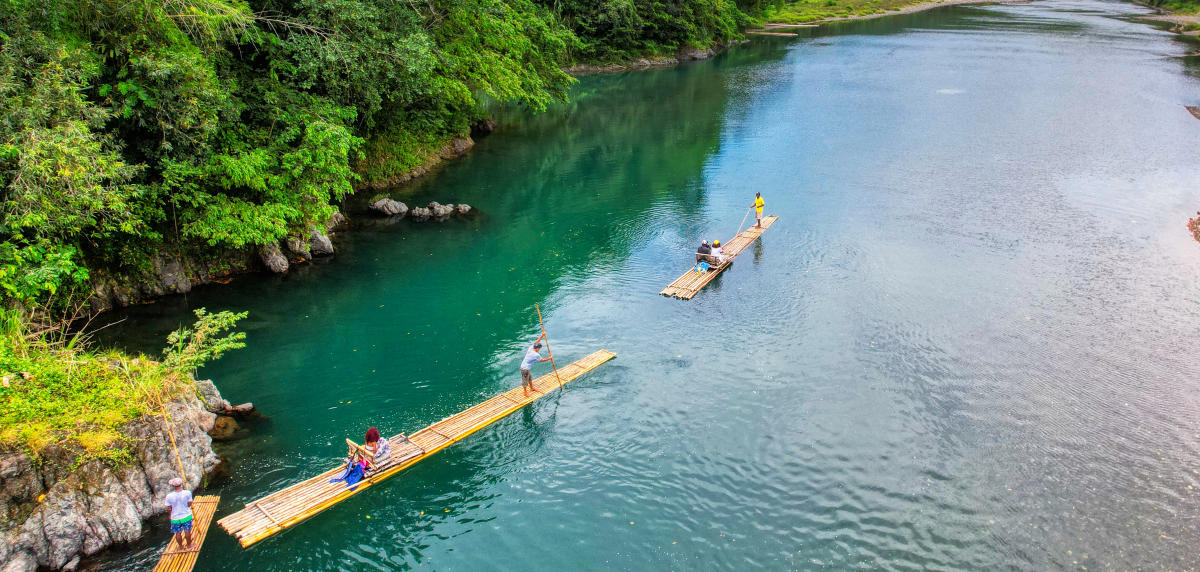
Visit Jamaica | The best music, food, vistas and vibes for your perfect vacation
Discover the beauty of Jamaica with its fascinating culture, stunning beaches and lush landscapes. Experience our warm Jamaican hospitality, vibrant reggae music, sumptuous cuisine, thrilling adventures and good vibes all around. Plan your perfect Jamaican vacation now and come back to your best self in Jamaica.
Rather than waiting for travelers to rediscover Jamaica following Hurricane Melissa, the country is actively promoting its recovery and rebuilding confidence in its tourism product.
The approach is particularly relevant for travel advisors who need reliable information about hotel availability, destination infrastructure, transportation and visitor experiences before recommending a destination.
“Every seat that comes into Jamaica represents an opportunity, but that opportunity is only realised when it becomes a booking, a visitor and spending that reaches our people,” Bartlett said.
His message recognizes that the economic value of tourism extends beyond international airlines and large resort operators.
Why Jamaica’s Canadian Airlift Growth Matters
Jamaica’s approximately 400,000 available Canadian winter airline seats provide a substantial opportunity to strengthen its visitor economy.
Previously reported Jamaica Tourist Board airlift projections also indicate a 62.1% year-over-year increase in Canadian seat capacity for January through April 2027, compared with the corresponding period in 2026.
That growth, if realized, would represent a particularly encouraging development in Jamaica’s recovery.
However, the two figures cover different reporting periods and should not be treated as directly interchangeable. The 400,000-seat announcement concerns the broader winter season, while the percentage growth figure refers specifically to January through April.
Airline capacity is also not the same as passenger arrivals. Seats must be sold, flights operated, and travelers accommodated before the projected benefits can be realized.
Nevertheless, the expanded capacity gives Jamaica an important commercial foundation for rebuilding Canadian visitor demand.
Jamaica’s Advantage in a Competitive Caribbean Winter Market
Canada remains an important source market for Caribbean tourism, with destinations competing for travelers seeking winter sunshine, convenient flights and value for money.
The Dominican Republic, particularly Punta Cana, has a substantial all-inclusive resort industry. Mexico’s Cancún and Riviera Maya offer extensive hotel capacity and well-established air connections. Cuba has historically attracted Canadian vacationers, while Barbados, Aruba and the Bahamas appeal to different segments of the market.
Jamaica offers a different combination of experiences.
Its internationally recognized music culture, cuisine, natural attractions, adventure tourism and established resort destinations allow the country to appeal to travelers interested in experiences beyond a conventional beach holiday.
Montego Bay, Negril and Ocho Rios remain central to the island’s leisure tourism offering, while Kingston, the Blue Mountains and community-based attractions create opportunities for cultural and experiential tourism.
For travel advisors, this diversity provides multiple ways to sell Jamaica to families, couples, repeat visitors and travelers seeking authentic local experiences.
The important distinction is that Jamaica is competing not only on resort capacity or airfare, but also on the depth and diversity of its tourism product.
Canadian Winter Competition: Where Jamaica Stands
| Destination | Competitive Position in Canada |
|---|---|
| Jamaica | Approximately 400,000 announced winter seats, expanding airlift, strong cultural identity and direct travel trade engagement |
| Dominican Republic | Extensive all-inclusive resort infrastructure and established Canadian holiday demand |
| Mexico’s Caribbean coast | Large resort inventory, multiple gateways and established Canadian air services |
| Cuba | Long-standing Canadian visitor relationships, alongside infrastructure and operational challenges |
| Barbados | Established cultural tourism and premium leisure appeal |
| Aruba | Recognized resort destination with a strong winter sunshine proposition |
These comparisons describe tourism positioning rather than equivalent airline seat totals. A complete, independently verified 2026/2027 Canadian winter seat comparison across all destinations is not yet established here.
That distinction matters. Jamaica’s announced capacity growth is encouraging, but it would be premature to declare that Jamaica has overtaken competing destinations without comparable aviation data.
Western Canada Offers Jamaica New Growth Opportunities
A particularly interesting feature of Bartlett’s campaign is its emphasis on Western Canada.
Following Toronto, the delegation travels to Calgary on October 25 for a destination product launch the following day. Edmonton follows on October 27, with Winnipeg scheduled for October 28.
These markets offer Jamaica opportunities to deepen relationships with travel sellers and attract visitors beyond its traditional Canadian source markets.
The Montreal program on October 29 will include French-language television, radio and digital media interviews, alongside engagement with Transat and travel trade media.
This attention to Quebec recognizes that Canadian tourism marketing cannot be approached as a single national market. Language, airline connections, travel purchasing habits and established destination preferences all influence booking decisions.
For Jamaica, a more geographically diversified Canadian visitor base could help strengthen long-term tourism resilience.
Tourism Recovery Must Benefit More Than Hotels
Bartlett has placed particular emphasis on the wider economic impact of tourism.
He identified farmers, craft vendors, transportation providers, entertainers, tour operators and small businesses as beneficiaries of a successful winter season.
That message is especially relevant after Hurricane Melissa, when tourism recovery involves not only restoring accommodation capacity but also rebuilding livelihoods and supporting local supply chains.
The commercial opportunity is clear: more Canadian visitors can generate additional business for hotels and airlines, while increased spending on local transportation, dining, excursions, entertainment and shopping can distribute tourism revenue more widely.
However, those benefits depend on how effectively Jamaica connects visitors with locally owned businesses and experiences.
For policymakers and tourism investors, the question is therefore not simply whether Jamaica attracts more visitors, but how much economic value those visitors generate within the country.
What Will Determine Jamaica’s Winter Success?
Jamaica’s marketing mission demonstrates an active effort to connect aviation growth with destination demand.
The next indicators will be confirmed passenger bookings, airline load factors, hotel occupancy, recovery of tourism infrastructure and visitor expenditure.
Travel advisors will also need timely and accurate information about which tourism facilities and attractions are operating as Jamaica continues its post-hurricane recovery.
Bartlett is scheduled to return to Jamaica on October 30, ahead of the Tourism Service Excellence Awards at the Montego Bay Convention Centre on October 31.
The awards will recognize the tourism workforce that plays a central role in the country’s visitor experience.
For Jamaica, the 2026/2027 winter season represents more than a return to business following a major hurricane. It is an opportunity to strengthen international confidence, expand Canadian market reach and demonstrate the economic value of tourism across the island.
Jamaica’s strongest opportunity is not merely filling 400,000 airline seats. It is converting expanded connectivity into a more resilient tourism economy, with benefits extending from major resorts to the communities that give the destination its identity.
