

Malta has a bit of a perception problem. Mention it and people tend to think of package holidays, or pensioners escaping February. What they don’t necessarily picture is one of the most design-conscious little hotels in the Mediterranean, hiding behind an unassuming door in the quiet village of Attard. I’m talking about Casa Bonavita, whose name means ‘good life’.
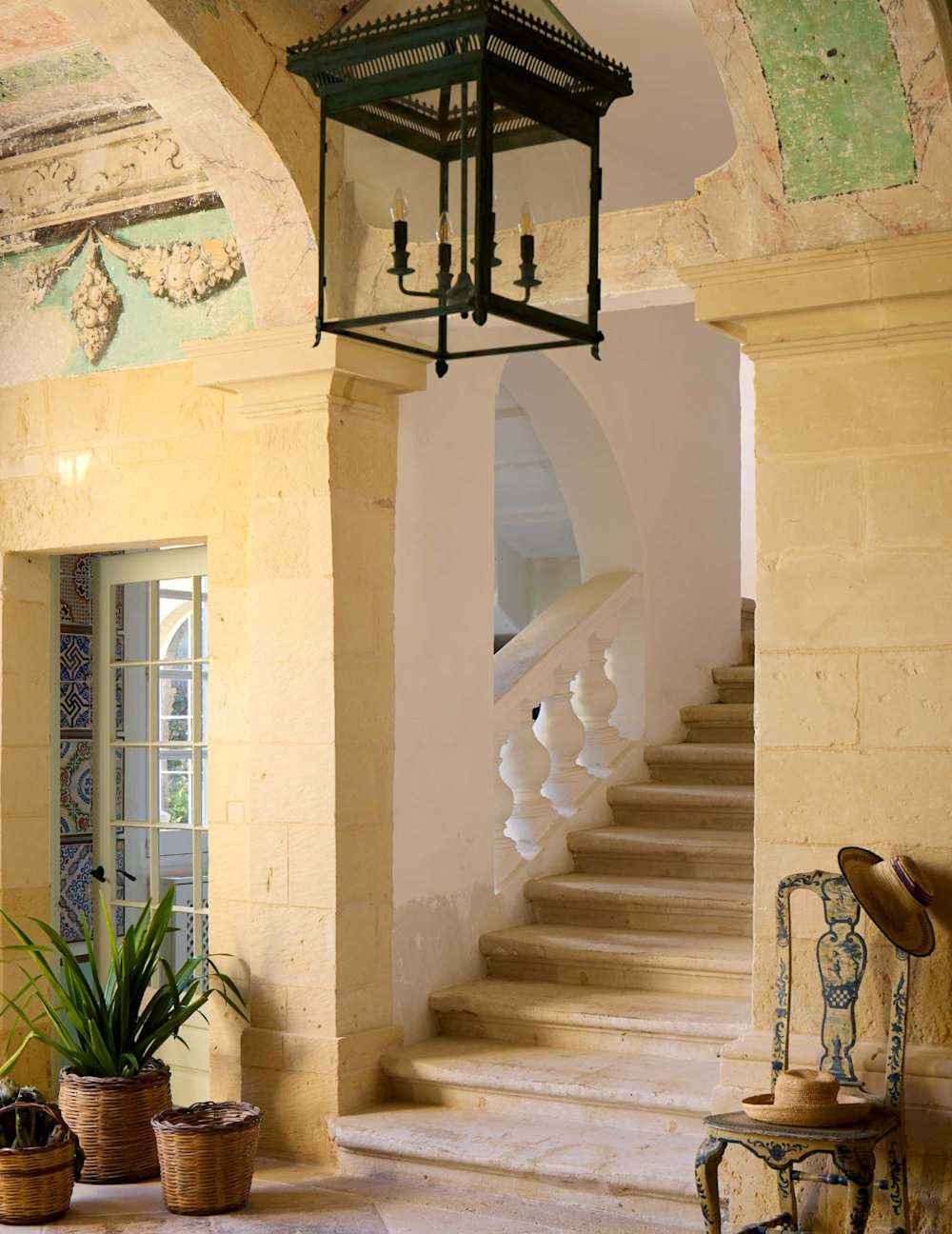
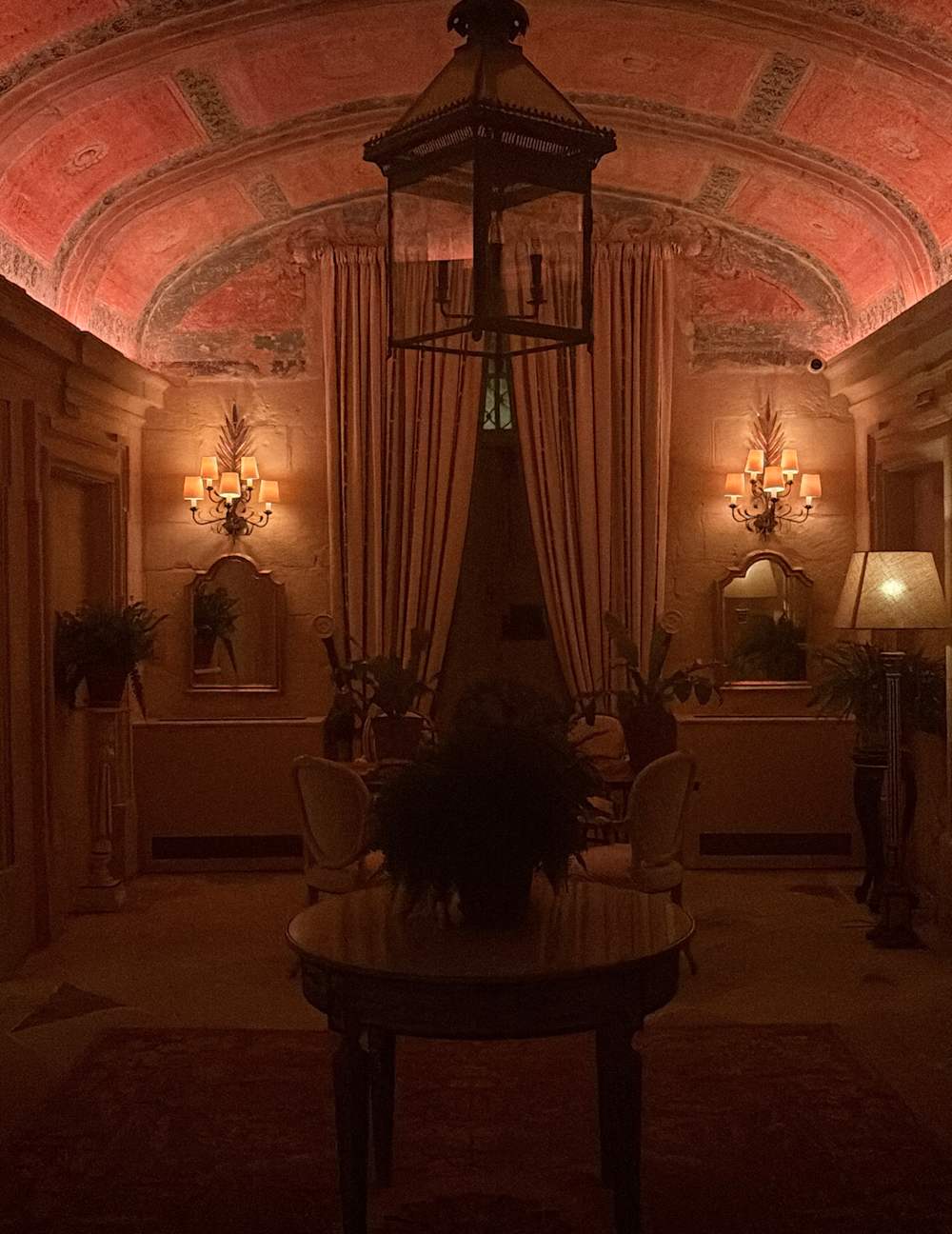
This former family home has the sort of interiors that make you immediately reassess everything you own. There are frescoes and ancient arches, marbled wallpapers, Maltese balconies, handmade ceramics and rooms where seemingly nothing matches and yet everything absolutely does. Outside, citrus trees and date palms shade old stone paths; statues lurk among fountains; yellow parasols punctuate the gardens. It’s like being invited to stay with a magnificently stylish Maltese aunt who has excellent taste, a complicated family history and very good booze.
I am not, ordinarily, a lounger. Give me a new destination and I develop an urgent need to see everything in it. Churches. Markets. Minor museums. A scenic rock. I can turn a supposedly relaxing holiday into a military operation by breakfast. But Casa Bonavita did something strange to me. I sat down. Then I lay down. And I started enjoying myself.
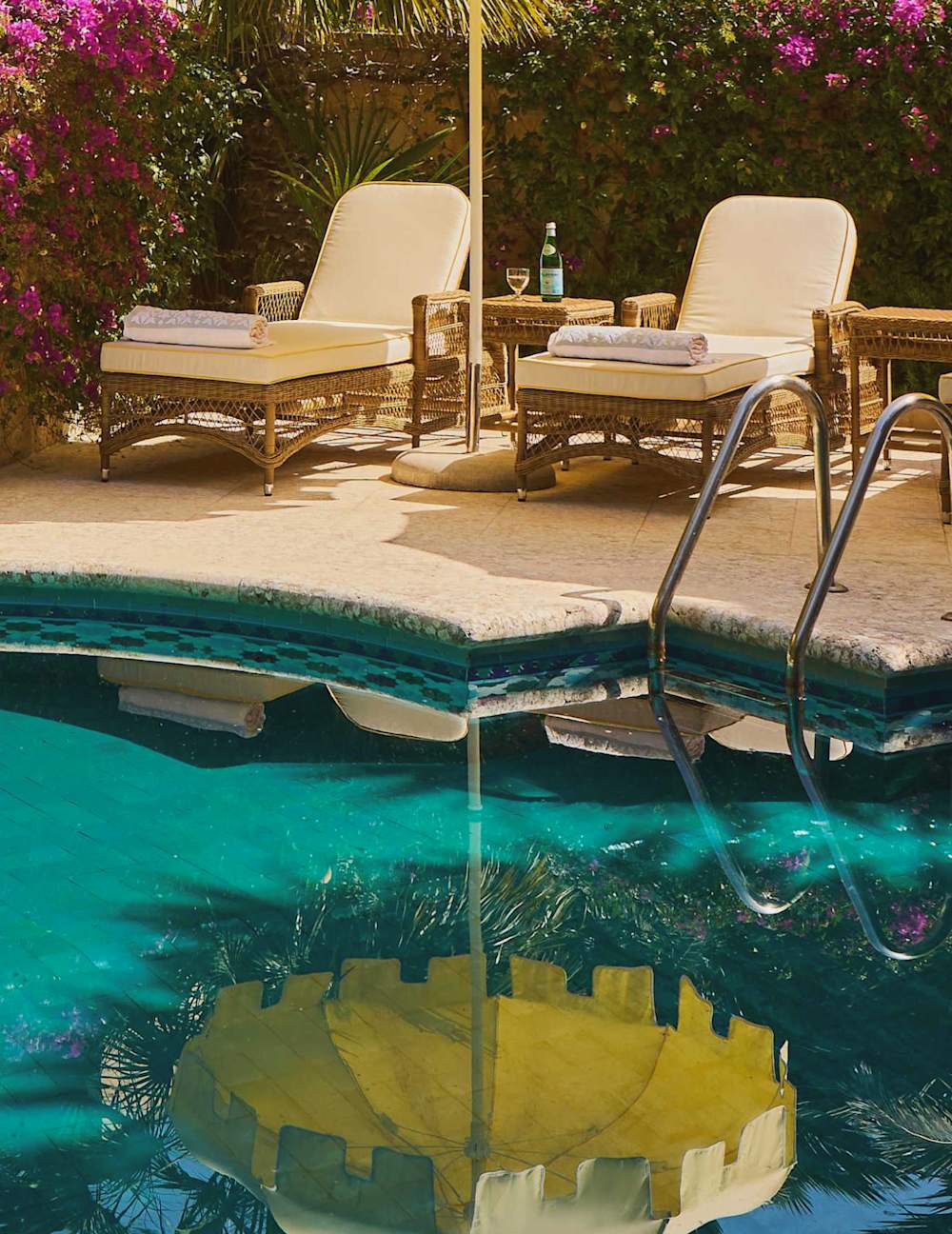
The pool is largely responsible. Tucked into the garden beneath palms and butter-yellow parasols, surrounded by enough greenery and old stone to make you feel like you’ve wandered into somebody’s private palazzo. I read. I dozed. I floated. I stared vacantly into the middle distance. All previously unacceptable holiday behaviour.
My sole exercise became extending one finger towards the poolside buzzer. This little button summons drinks, which is dangerous information to give someone with no immediate appointments. Mr Smith and I began diligently working through the cocktail list, then progressed to cocktails that were off the list.
Casa Bonavita, meanwhile, remained entirely unflustered. That’s its trick. It is beautiful without constantly reminding you how beautiful it is. The owners, Suzanne and Christopher Sharp, have restored the centuries-old house with confidence.
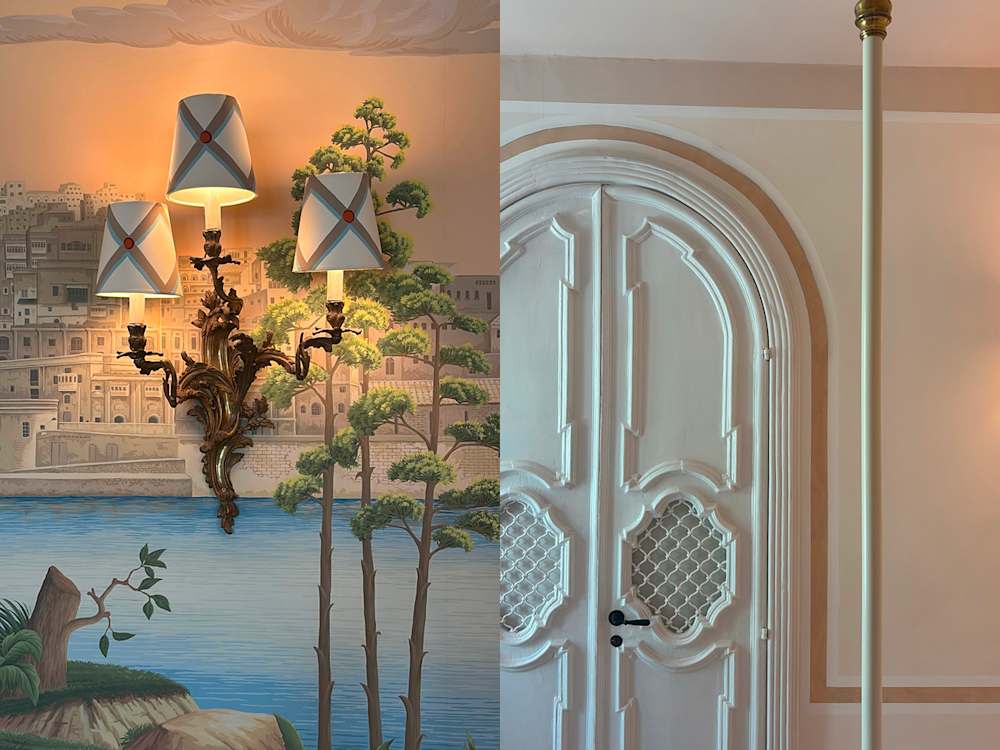
Even the bar has a story. Valletta Bar was designed to evoke the view of Malta as you sail into its harbour, with sea-toned walls and an intricate model ship. It took nearly a year to create the 18th-century depictions on the walls, painstakingly mapped out by de Gournay. This is the sort of decorative commitment I respect enormously, particularly when somebody hands me something cold and citrusy while explaining it.
Seven minutes away on foot is Villa Bologna, an 18th-century estate whose pottery has been made in Malta for generations. We arrived intending to ‘have a quick look’, which is the kind of lie you tell yourself immediately before purchasing several breakable objects and wondering about your hand-luggage allowance. First came a tour of the pottery studio, watching pieces being made and painted and discovering the craft behind the distinctive ceramics we’d already been admiring back at Casa Bonavita. Then came the shop. A plate became two plates. A bowl suddenly looked lonely without another bowl. There were discussions about whether a ceramic animal was useful. By the time we emerged, we were carrying multiple carefully wrapped purchases, including two wall lights.
Fortunately, Villa Bologna also has a restaurant spilling out into its gardens, with tables bustling beneath the trees. Lunch stretched happily into that wonderfully Mediterranean point in the afternoon when nobody seems particularly interested in what time it is. Fresh Italian cooking, produce from the gardens, chatter from surrounding tables, glasses catching the sun We had dinner there the day after too, when we bought yet another plate from the studio.
Yes, there is Malta of the guidebooks: honey-coloured stone, Baroque churches, Valletta’s handsome streets, prehistoric temples and water so blue it looks digitally enhanced. But there’s another Malta emerging alongside it: creative, stylish, food-obsessed and increasingly confident about its own craftsmanship. Casa Bonavita feels like a particularly persuasive expression of the latter: historic without being preserved in aspic, luxurious without being flashy, and deeply connected to the artisans making things around it.
Back at the hotel, dinner continued the argument. Beneath frescoed arches and in the tree-shaded courtyard, Maltese produce is turned into the sort of Mediterranean food that makes ordering ‘something light’ an entirely theoretical exercise. Breakfast was equally dangerous: pastries have a way of multiplying when you’re sitting beneath orange trees.
There is also a spa, all wine-red Moroccan tiles, sauna, treatment rooms and cold plunge. I admired the cold plunge. I understood the cold plunge. At no point did I feel compelled to enter the cold plunge. The pool was warm enough.
On our final afternoon, I returned to my now customary position: horizontal, book open but largely unread, ceramics safely packed upstairs, sunlight flickering through the palms.
I reached towards the buzzer one last time. Seven minutes to pottery. Twenty minutes to Valletta. Approximately three seconds to another cocktail.
Explore more of our hotels in Valletta, or learn about Malta’s history as a Hollywood filming hotspot
